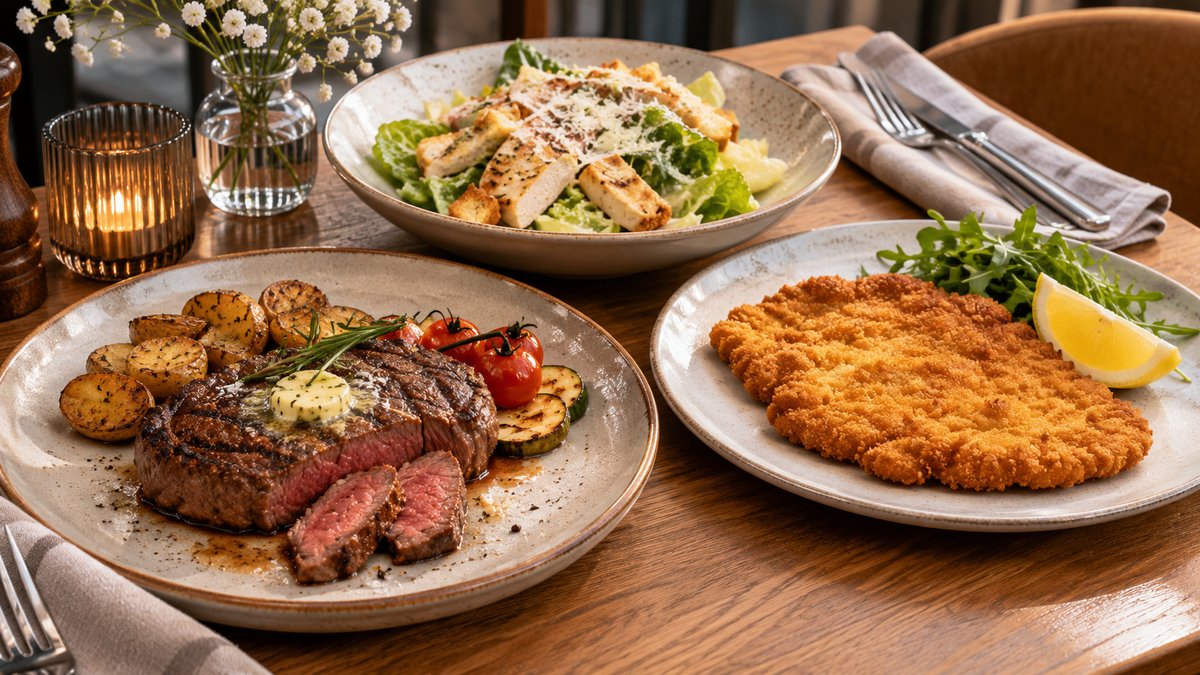
The sign says "European cuisine" and you know roughly what's coming: cream soup, steak, Caesar salad, tartare, schnitzel, tiramisu. No French or Austrian family eats like that at home. The list took shape in hotel restaurants, and we can name the man who wrote it.
A label that promises nothing
The term has no precise definition. In English this kind of food is often called "continental", meaning mainland Europe, usually without the British Isles or the east of the continent. In practice that means a French and northern Italian base, plus whatever turned out to be popular.
The label's real use is reassurance: nothing too spicy, and nothing you'll have to ask the waiter to explain. It doesn't stand for the food of any particular people. It stands for a way of organising a kitchen.
The man who wrote the manual
In 1903 Auguste Escoffier published Le Guide Culinaire, a collection of more than five thousand recipes. He simplified the lavish cooking of his predecessor Antonin Carême and brought order to the kitchen itself. The brigade, with clear roles and each cook answerable for one station, still survives in restaurants today. He borrowed the system from his own military experience.
With this manual and his partnership with the hotelier César Ritz, the style travelled across Europe: the Savoy and the Carlton in London, then the grand hotels of the Continent. For most of the 20th century, a guest at an expensive hotel in any capital could count on much the same dinner. For travellers it was convenient. In the 1960s French chefs called it dogma and started the revolt that became known as nouvelle cuisine.
The five mother sauces. Béchamel, espagnole, velouté, hollandaise and tomato. Almost any sauce on a classic menu descends from one of them, and they're the first a cook learns.
What we call European cuisine is, above all, French cooking that learned to work in hotels.
Half the larder came from across the ocean
Picture Italian pasta without tomatoes and a German dinner without potatoes. That was Europe only a few centuries ago. Tomatoes, potatoes, peppers and courgettes all came from the Americas, and none of them caught on at once. For a long time tomatoes were grown in gardens for their looks, and the first known printed recipe for pasta with tomatoes appeared only in 1839.
Potatoes got a cold reception too. What won people over was the crop they gave on poor soil in years of hunger.
Biographies you shouldn't believe
Nearly every star of this menu comes with a legend, and plenty of those legends are false.
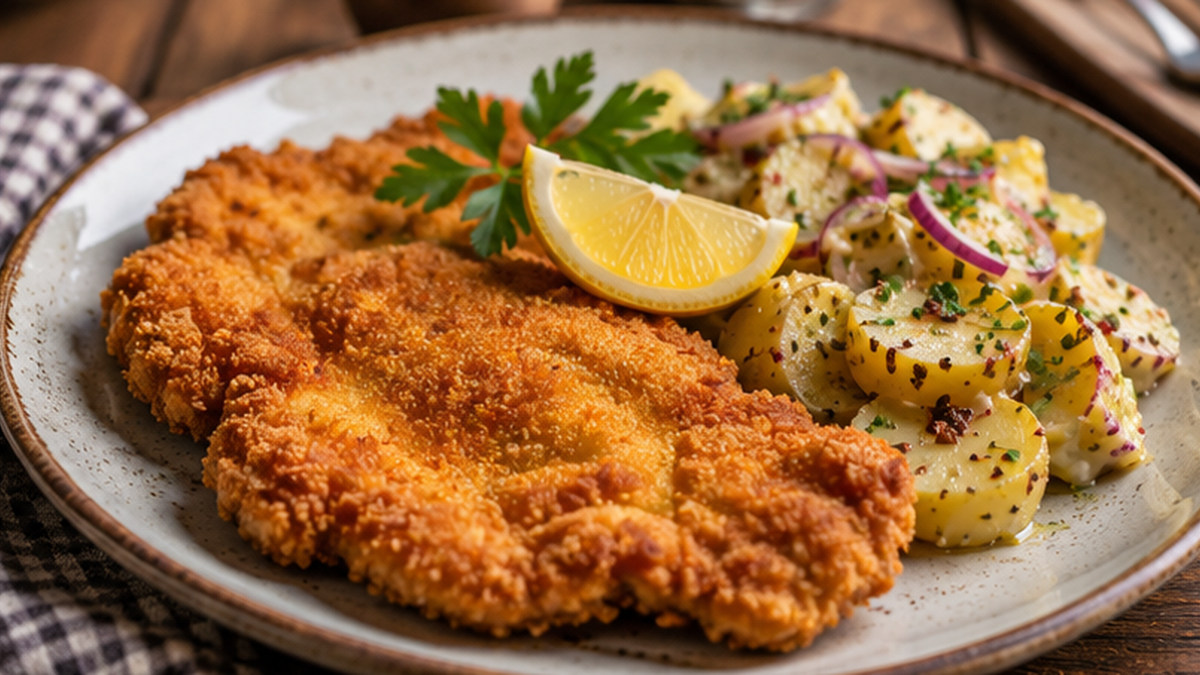
Wiener schnitzel. The story goes that Field Marshal Radetzky brought the recipe back from Milan. The linguist Heinz-Dieter Pohl rejected this, concluding that the tale was invented much later. The name itself first turns up in a cookbook from 1831.
Tartare. Nomads tenderising meat under the saddle make a fine piece of fiction. The name most likely comes from the tartare sauce served with the meat. In the early 20th century, Europeans were still calling this dish steak "American-style".
Caesar. This salad reached European menus from Mexico. It's credited to the Italian immigrant Caesar Cardini, who, legend has it, assembled it in Tijuana in 1924 from whatever was left in the kitchen over a busy holiday weekend.
Peach Melba. Escoffier created the dessert at London's Savoy around 1892–1893 for the Australian singer Nellie Melba. Peaches on ice cream were served on a swan carved from ice, because the opera she was singing featured a swan boat. He added the raspberry sauce later and dropped the swan.
What to take from all this
The list is simple, which makes it handy for a group with different habits. The limitation is just as plain: a "European" menu will rarely tell you anything about a specific place. If it's a sense of place you want, look for Austrian, Galician (western Ukrainian) or Italian on the sign. If you want a predictable dinner, that's exactly what Escoffier's classics were built for.
In Lviv
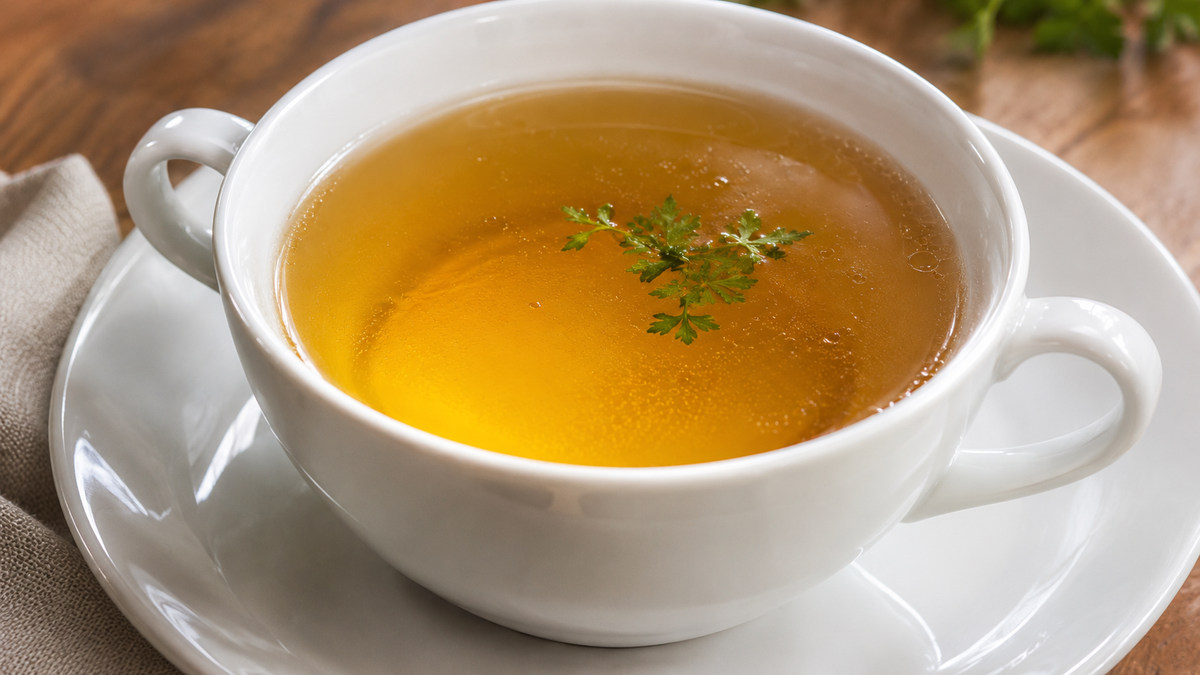
You'll find the full list in our selection of European restaurants. Broth is the easiest way to test a kitchen's training: Chopin serves a beef consommé with roasted peppers, and its clarity shows the work that went in. For schnitzel Viennese-style and beef Wellington, go to Veronica. Veal tartare is on the menu at BER NAR DYN.
European cuisine is a promise that a meal in an unfamiliar city won't frighten you.
Menus change, so a dish mentioned here may no longer be available. If it's the reason you're going, it's best to call ahead.